
Dance Choreography Tips: Effective Choreography Training Techniques

Mastering choreography takes more than just talent. It demands focus, practice, and smart methods. I’ve learned that using effective choreography training techniques can transform your dance skills. Whether you’re a dancer, choreographer, or part of a dance team, these tips will sharpen your craft. Let’s dive into practical ways to boost your choreography skills fast.
Dance Choreography Tips to Build Strong Foundations
Start with the basics. Every great routine begins with a solid foundation. Focus on posture, balance, and body control. These are the pillars of good dance. Practice simple moves repeatedly. This builds muscle memory. Muscle memory helps you perform without thinking. It makes your movements smooth and confident.
Use a mirror or record yourself. Watch your form closely. Spot mistakes and fix them immediately. This feedback loop is crucial. It helps you improve faster. Also, warm up properly before every session. Stretch your muscles and get your blood flowing. This prevents injuries and keeps you flexible.
Break down complex moves into smaller parts. Master each part before putting them together. This step-by-step approach makes learning less overwhelming. It also helps you focus on details that matter.
How to Use Dance Choreography Tips for Creative Growth
Creativity is key in choreography. To spark new ideas, watch different dance styles. Mix elements from hip-hop, ballet, jazz, or contemporary. This fusion creates unique routines. Don’t be afraid to experiment. Try new rhythms, speeds, and formations.
Collaborate with others. Share ideas and get feedback. This exchange broadens your perspective. It also pushes you to try things outside your comfort zone. Keep a dance journal. Write down moves, inspirations, and music ideas. Review it often to track your progress and revisit old concepts.
Use music as your guide. Feel the beat and mood. Let the music inspire your movements. Change your choreography to match different songs. This flexibility makes your routines more dynamic and engaging.
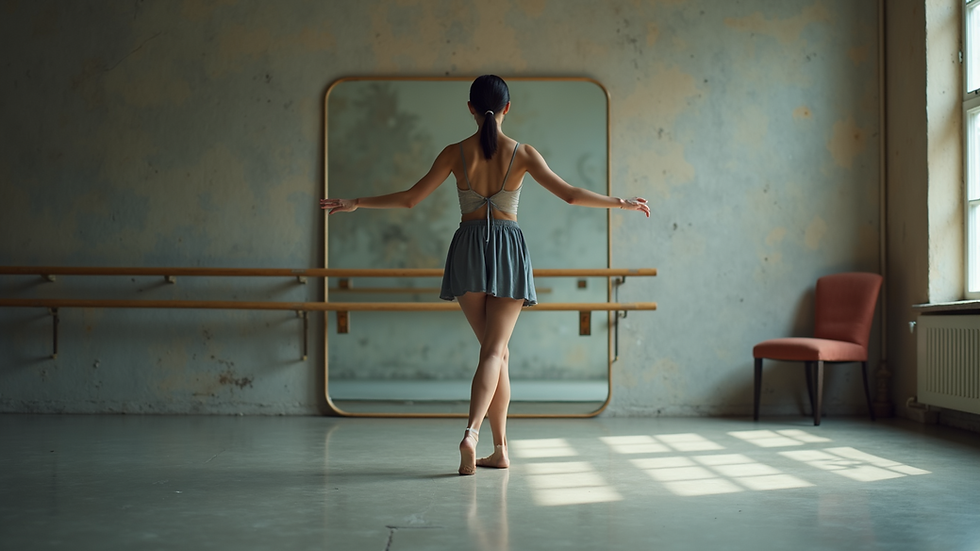
What are the 5 Basic Elements of Choreography?
Understanding the core elements helps you design better routines. Here are the five basics:
Body - The dancer’s movements and shapes.
Action - The specific steps and gestures.
Space - The area the dancer uses, including direction and level.
Time - Rhythm, tempo, and duration of movements.
Energy - The force and intensity behind each move.
Focus on these elements when creating or learning choreography. For example, vary your energy to add emotion. Use space creatively to make your routine visually interesting. Play with time by speeding up or slowing down moves.
These elements work together. Mastering them gives your choreography depth and impact.
Practical Steps to Improve Your Choreography Training
Consistency is key. Set a regular practice schedule. Even 20 minutes daily can make a big difference. Warm up, practice new moves, and cool down. Keep your sessions focused and goal-oriented.
Record your practice sessions. Watch them critically. Note what works and what needs improvement. Share videos with peers or mentors for feedback. Use their advice to refine your technique.
Join workshops and conventions. These events expose you to new styles and teaching methods. They also connect you with other dancers and choreographers. Networking helps you stay motivated and inspired.
Use technology to your advantage. Apps and online tutorials offer extra practice tools. Slow down videos to catch tricky moves. Use metronomes to keep your timing perfect.
Remember, effective choreography training is about quality, not just quantity. Focus on mastering moves correctly rather than rushing through them.

Tips for Teaching and Leading Dance Teams
Leading a dance team requires clear communication and patience. Break down choreography into manageable sections. Teach each part slowly and clearly. Repeat often until everyone is confident.
Encourage dancers to ask questions. This builds understanding and trust. Use positive reinforcement to boost morale. Celebrate small wins to keep the team motivated.
Create a safe space for creativity. Allow dancers to add their flair to the routine. This makes the performance more authentic and exciting.
Plan rehearsals with clear goals. Start with warm-ups, then focus on difficult sections. End with a full run-through. Keep rehearsals energetic but structured.
Use video recordings to track team progress. Review footage together and discuss improvements. This visual feedback helps the whole team grow.
Keep Pushing Your Limits with Dance Choreography Tips
Never stop learning. Dance is always evolving. Stay curious and open to new ideas. Attend conventions like DanceCon Global to connect with top professionals. These events offer workshops, competitions, and networking opportunities that fuel your growth.
Challenge yourself with new styles and complex routines. Push your physical and creative boundaries. This keeps your skills sharp and your passion alive.
Remember, effective choreography training is a journey. Stay dedicated, practice smart, and embrace every opportunity to improve. Your hard work will pay off on stage and beyond.
Explore more about choreography training to keep advancing your skills.
Keep dancing strong!


Comments